According to the "Market Operator," in November, the weighted average price of electricity on the Ukrainian DAM reached 6,830.49 UAH/MWh (approximately €140/MWh at the average exchange rate). This figure is almost a third higher than in neighboring Poland and 1.2 times higher than in Hungary. This upward trend is not new: last year, the Ukrainian price was €109.5/MWh compared to the European average of €82.02/MWh.
The situation is further complicated by the fact that EU countries actively support their manufacturers. Specifically, discussions are ongoing in Germany regarding the introduction of a fixed industrial electricity price of €50/MWh for three years starting in 2026. Although Italy and the Czech Republic oppose this, arguing it distorts competition, negotiations with the European Commission are already in the final stages.
For Ukrainian businesses, the challenge is compounded not only by prices but also by a capacity deficit. Due to large-scale Russian attacks on the energy system in October-November 2025, the state of the grid has sharply deteriorated. Since November 8, round-the-clock power limitation schedules have been introduced for industrial consumers. Additionally, due to damage to the transmission system, Ukraine was unable to utilize its full technical potential for importing electricity from the west to the east of the country.
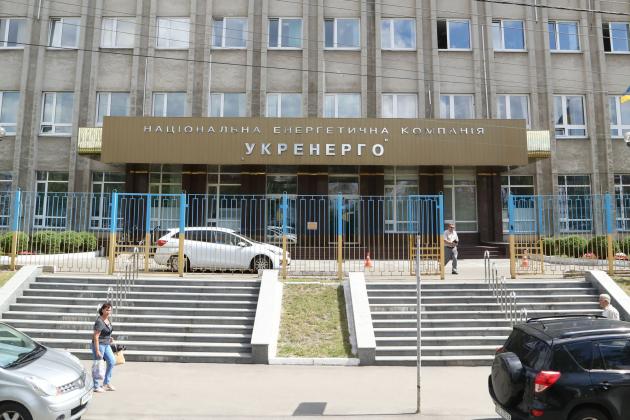
An additional burden for businesses may come from the increase in Ukrenergo's tariffs. The regulator proposes raising the tariff for electricity transmission for 2026 from 686.23 to 785.39 UAH/MWh (+14%) and for dispatch control from 98.97 to 110.03 UAH/MWh (+11%).
Industry associations, including Ukrmetalurgprom, NADPU, and UkrFA, have issued a joint statement opposing this decision. Industrialists emphasize that amidst the war and energy crisis, any additional financial burden creates real risks of production cuts and deepening the crisis in the real sector of the economy.