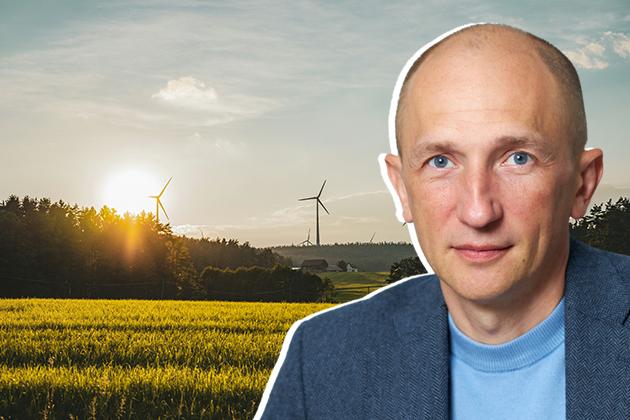
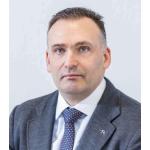
Mauro Longobardo, CEO of ArcelorMittal Kryvyi Rih
Operating in a system of global markets and moving along the path of European integration, Ukraine faces similar challenges as European companies—high energy prices and fierce competition from China and Turkey. However, the situation in Ukraine is significantly exacerbated by the war, which is already in its fourth year. Energy infrastructure is often damaged, and enterprises have learned to operate under conditions of power outages, blackouts, and personnel shortages. In this extremely difficult context, the industry is forced to maintain its competitiveness.
High energy costs pose a serious threat to an already struggling industry.
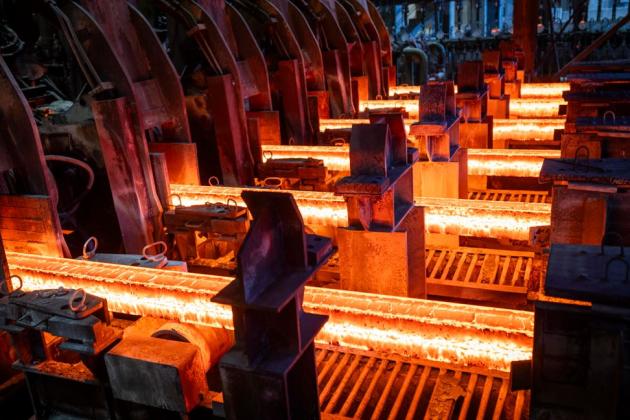
Specifically, this year, the steel and mining industry has suffered from excessively high electricity prices, which were the highest in Europe in the first half of the year. For such energy-intensive production as ArcelorMittal Kryvyi Rih, this resulted in additional costs of over 200 million USD per year, despite the enterprise remaining unprofitable since the start of the full-scale war.
Natural gas is a separate issue. With the approaching winter season, the domestic industry faced a new financial blow—a sharp rise in natural gas prices in the third quarter of 2025. Gas prices in Ukraine were significantly higher than at the European TTF hub.
The sharp price increase was caused by the demand of industrial consumers. This, in turn, was triggered by the obligation to impose Special Obligations (PSO) on key gas suppliers (Ukrnafta, UkrGasVydobuvannya), who were supposed to be guaranteed suppliers and fill Ukraine's underground storage facilities before winter. Undoubtedly, this is a weighty reason for ensuring the country's survival in winter. However, it created a deficit, forcing local companies to buy imported gas from traders at the TTF price plus a premium and transportation costs.
The business expected that in September, the Cabinet of Ministers would cancel the PSO, allowing local producers to supply gas to the domestic market, which would increase supply and lower prices. Instead, on October 10, the Cabinet of Ministers extended the PSO until March next year. This decision again created a deficit of domestic gas.
We expect a significant increase in natural gas prices for the industry, as traders are again selling at the TTF price plus their premium. ArcelorMittal Kryvyi Rih is a large consumer of natural gas, and purchasing it with a premium to the European price further reduces our competitiveness in the domestic and export markets. The increase in gas prices has already led to an increase in additional costs of over 100 million hryvnias monthly.
Since the enterprise is unprofitable, such an increase in losses could lead to a level where all main gas-consuming production facilities, namely pig iron, steel, and rolling production, will have to be shut down. This would mean a decrease in tax revenues for Ukraine and greater losses for us, creating a "vicious circle."
Despite full understanding of the need to fill storage facilities to ensure the country's life and combat winter, the decision to extend the PSO is not clear. Ukrainian storage facilities are already filled with 13.2 billion cubic meters, which, according to experts, is enough to survive the winter months. Also, there is no overheating or deficit observed in the market, but an artificial deficit is being created. This artificial gas deficit leads to greater losses for all producers, including national steel and mining producers. No production sector of the Ukrainian economy is viable with such a high cost of electricity, and now gas.

Mauro Longobardo, CEO of ArcelorMittal Kryvyi Rih. Photo: Company press service.
In summary, I want to note that the Ukrainian MMC cannot be competitive at current energy prices, which significantly exceed European indicators and put pressure on a sector that is unprofitable due to the war. The Cabinet of Ministers' decision to unexpectedly extend the PSO until March 2026 creates an artificial gas deficit in the domestic market, forcing the industry to buy expensive imported gas.
In turn, the growth of costs and losses threatens the shutdown of main production facilities, which will have devastating consequences for tax revenues and, consequently, for the economic basis of financing the Armed Forces (ZSU). In this regard, it is critically necessary to revise the decision to extend the PSO, allow domestic producers to supply gas to the domestic market, and create truly liberal conditions in the gas market.
The government's desire to support the population can be understood, but if the industry is lost, such a policy may turn out to be only a step towards the collapse of the national economy, and the population will certainly not benefit from this.