This includes accounting for market fluctuations in procurement costs while strictly adhering to economic competition protection laws.
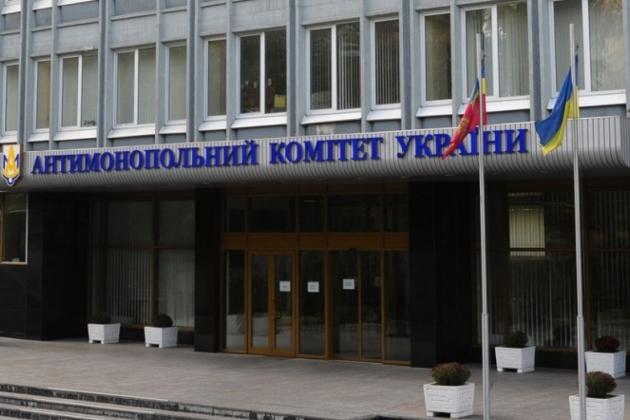
"The recommendations are mandatory for consideration by business entities within 10 days," the AMCU announced on its website this Friday.
The Committee explained that this timeframe was established to ensure operators provide comprehensive responses regarding the measures they have implemented in the market.
Context of the Price Surge
The AMCU noted that fuel prices in Ukraine began rising sharply on February 28, 2026. In response, the Committee launched an investigation on March 9 into potential anti-competitive concerted actions within the retail petroleum markets. Evidence is currently being gathered and analyzed.
Given the high level of public concern regarding rising fuel costs, the Committee has been conducting daily monitoring of the gasoline, diesel, and LPG markets to maintain competition and take swift operational measures.
Factors Influencing the Market
The AMCU acknowledged that the local price hikes occurred against a backdrop of several global and domestic challenges:
-
Rapidly rising global oil prices.
-
Increased petroleum quotes in EU markets.
-
Difficulties in securing sufficient volumes of diesel imports.
-
Fluctuations in exchange rates.
-
Rising logistics costs.
"The market situation remained volatile, as global oil and petroleum prices both rose and fell throughout March and the first half of April 2026," the Committee stated.
Expectations for Competition
The AMCU maintains that Ukraine's retail petroleum markets possess a competitive structure. According to the Committee, competition should encourage businesses to reflect objective factors in their pricing—not only when procurement costs rise, but also when they decrease.
The Committee emphasized that fuel markets carry immense social significance, as they play a foundational role in price formation across the majority of the country's economic sectors.