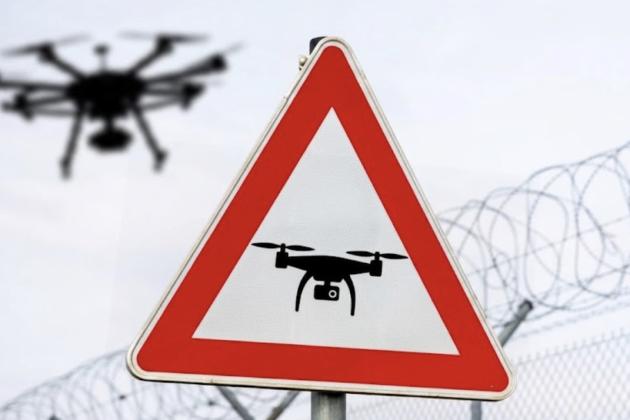
Germany’s interior minister now says the country faces hybrid attacks every day. This creates new common ground for cooperation between Ukraine and the EU.
Ukraine has accumulated extensive practical experience in detecting and countering drones, using electronic warfare and electronic intelligence, deploying air-defence systems and building physical protection around critical facilities.
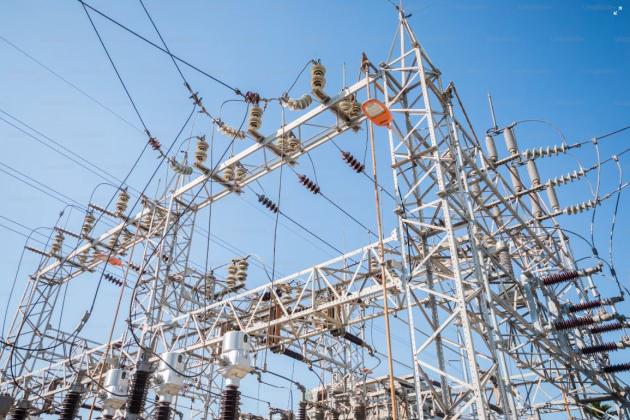
This cooperation should not be limited to borders and military bases. The same experience is relevant to nuclear power plants, major substations, gas infrastructure, transport hubs and other critical facilities.
Europe does not need to build concrete shelters around every substation tomorrow. But it should already be mapping vulnerabilities and studying Ukraine’s layered approach to protection.
Countries such as Bulgaria, which have taken a more cautious position on supporting Ukraine, may have even more to gain from this cooperation. Bulgaria may feel less exposed than Latvia, Lithuania or Estonia, but geographical distance from Russia does not protect it from drones, sabotage or attacks on critical infrastructure.
At the same time, speculation that Ukraine could attack gas infrastructure connected to the Trans-Balkan Corridor does not withstand basic scrutiny.
Ukraine is interested in expanding gas imports through this route. Attacking infrastructure that Ukraine itself needs would directly undermine its own energy security. This is not a credible hypothesis. It looks more like an attempt to shift attention from the source of hybrid threats and create tensions between Ukraine and its European neighbours.
Ukrainian defence companies, including state-owned enterprises, can supply neighbouring European countries with proven solutions for protecting energy, transport and military infrastructure - the most likely initial targets of any escalation.