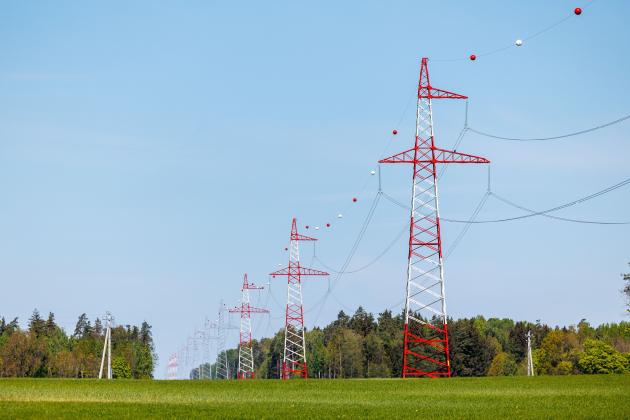
Europe is still poorly prepared to protect its critical infrastructure from drone attacks, Euractiv warns. LNG terminals, ports, storage facilities, compressor stations and interconnectors are all potential targets. They do not have to be destroyed. A few incidents may be enough to suspend operations, reduce capacity, increase insurance costs and frighten the market. Combine that with disruption in the Strait of Hormuz, competition with Asia and insufficient gas stocks. The result is predictable: Europe will start looking for a “stable and secure” source of gas. And Nord Stream will return to the conversation.
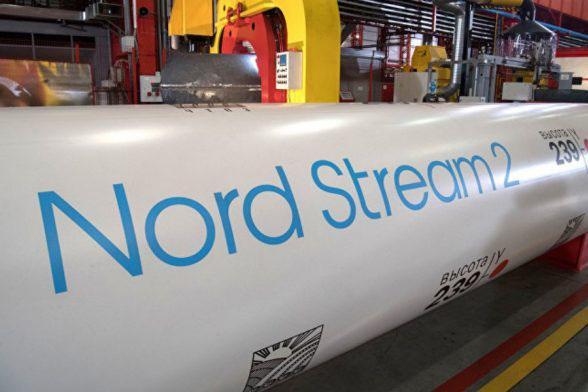
It will be presented as a direct subsea route that does not depend on LNG terminals, maritime supply chains, transit countries or infrastructure exposed to small drones. Is Nord Stream genuinely safe? The explosions of 2022 answered that question. But after several emergencies, industry will not be selling engineering truth. It will be selling cheaper gas, security of supply and European competitiveness. The risk will grow after the war ends. European energy and industrial companies will have every reason to return to business as usual with Russia. Competition with China, expensive energy and weak industrial growth will provide the arguments.
Russia’s return will not be called a return. It may arrive as a quota. A special licence. A temporary exemption. A joint venture. A formally independent operator. Or as a “compensation mechanism”. Part of the revenue from Russian gas could be allocated to Ukraine’s reconstruction or compensation for European losses. In exchange, Moscow would demand sanctions relief and the gradual release of assets held at Euroclear.
Russia could therefore finance part of the damage with revenues earned from its return to the European market. European companies would recover their business. Politicians would call it a contribution to peace and reconstruction. A remarkably convenient arrangement. Just not for Ukraine. Unless Europe builds an energy system capable of surviving emergencies without returning to Russian supplies, more than 20 sanctions packages may lose their strategic value within months — or, at most, a few years. Sanctions are not a substitute for resilience. If Europe cannot withstand the next supply shock without Russian gas, Moscow still holds an option on Europe’s energy future.