


News











Latest articles
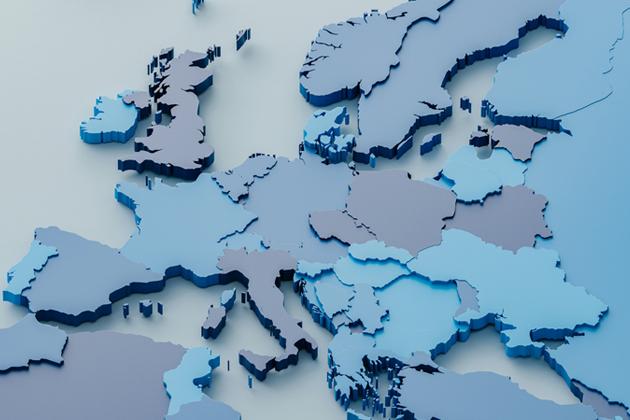
Resuming Gas Exports: Investing in Reconstruction and Production Support
Нефть и газ 25.07.2026 15:37
Cautious signals are increasingly emerging from the market regarding the potential resumption of natural gas exports. Let us examine what this could mean for gas producers and what framework the government is proposing in response.
UKRAINE'S NEW ENERGY IS BEING BUILT ON OLD INFRASTRUCTURE: What challenges face the industry
Электроэнергетика 30.06.2026 14:06
Ukraine is actively developing new generation, energy storage systems, and hybrid energy solutions. At the same time, the implementation of such projects takes place under conditions where modern technologies must be integrated into an infrastructure, a significant part of which was created decades ago.
Электроэнергетика 26.06.2026 15:58
The idea of "coal-to-nuclear" might initially sound like an energy sector meme. It implies that we can simply take an old coal-fired thermal power plant, remove the boiler, replace it with a reactor, and effortlessly produce a beautiful story about the "green transition." In reality, however, the coal-to-nuclear concept is far more profound. It is not about replacing one large "kettle" with another. It is about rethinking the energy site as a strategic asset—encompassing its land, grid connections, water infrastructure, industrial logistics, workforce, regulatory history, and its established role within the power system.
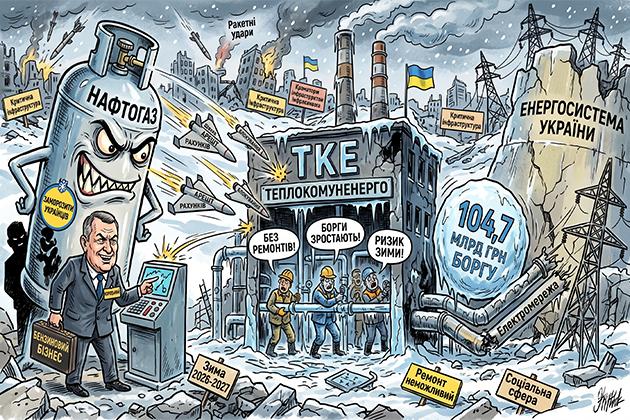
Naftogaz's Plan: Freezing Ukrainians
Нефть и газ 19.06.2026 08:55
The management of the national company "Naftogaz," led by Serhiy Koretsky, has decided to play into Russia's hands, launching its own "missile strike" on Ukraine's heat supply system. A kind of "Shahed" drones flew from Naftogaz straight into district heating companies (TKEs): they froze TKE accounts and blocked preparations for the winter.
